


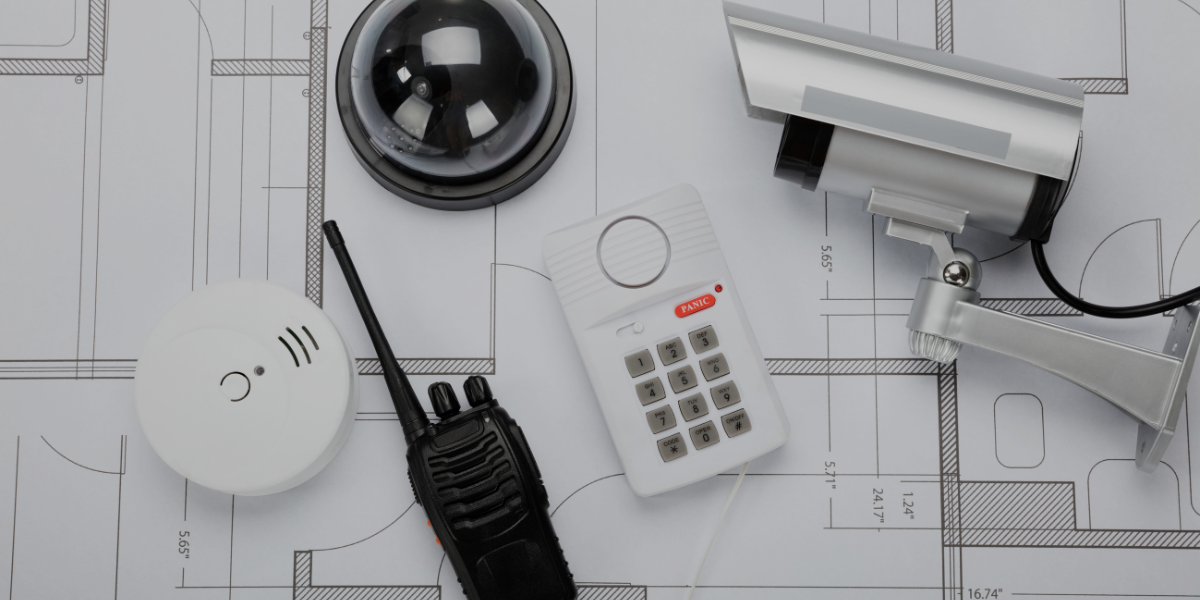
Perimeter security is the first line of defense for any organization. Traditionally, this has relied on security guards and passive video surveillance systems, where cameras record images that can later be reviewed. However, technological evolution has given way to video analytics, a tool that transforms cameras into intelligent sensors capable of detecting, classifying and alerting in real time. In this comparative guide, we will discuss the key differences between the two approaches and how they impact perimeter protection.
Traditional monitoring: strengths and limitations
The traditional perimeter security model is based on a combination of human guards and CCTV cameras. Its main features include:
- Reactive observationThe cameras record images, but detection depends on the attention of the operators.
- Dependence on the human factorThe guards are responsible for identifying threats, which increases the risk of error due to fatigue or distractions.
- Post-incident evidenceThe recorded material serves as evidence, but does not necessarily prevent the event.
Among its strengths are simplicity, lower initial costs and ease of implementation in small environments. However, the limitations are notable: low scalability, difficulty in monitoring multiple cameras in real time and lack of predictive capabilities.
Video analytics: the new standard
Video analytics uses artificial intelligence and machine learning algorithms to interpret what cameras capture. This approach allows:
- Proactive detectionIdentifies suspicious movements, intrusions or anomalous behavior in real time.
- Advanced classification: difference between people, vehicles and objects.
- Automatic alertsimmediate notifications to security personnel.
- Forensic analysisQuick search for incidents in recordings based on metadata.
According to a MarketsandMarkets report, video analytics adoption will grow at an annual rate of 21% through 2028, reflecting the need for smarter, more automated solutions.
Key comparison between the two models
| Appearance | Traditional monitoring | Video analytics |
| Prevention | Reactive, act after the incident | Proactive, detects and alerts in real time |
| Scalability | Limited by personnel and resources | High, allows management of hundreds of cameras |
| Long-term costs | High for dependence on guards | Optimize human resources, lower TCO |
| Accuracy | Subject to human error | Algorithms with precision >95% |
| Response time | Depends on manual monitoring | Automated instant alerts |
Impact on perimeter security
Video analytics offers strategic advantages for protecting large perimeters such as industrial facilities, corporate campuses or critical infrastructure:
- Reduction of false alarms thanks to intelligent filters.
- Optimization of security personnel, who focus on responding rather than just watching.
- Improved operational resilience by anticipating threats before they occur.
In contrast, traditional monitoring may be sufficient in small operations or with limited budgets, but lacks the scalability and efficiency needed for complex environments.
Use cases
- IndustrialIntrusion detection in large perimeters with advanced perimeter analytics.
- RetailParking and access monitoring with real-time alerts.
- Logisticsmonitoring of warehouses and vehicle yards with classification of vehicles and people.
Implementation considerations
When deciding between traditional monitoring and video analytics, consider:
- Operation sizeThe larger the scale, the greater the benefits of analytics.
- Network infrastructureIP video surveillance with analytics requires adequate bandwidth.
- Cybersecurityconnected systems must have robust security protocols.
- Return on investmentAlthough analytics involves a higher initial investment, it reduces operating costs and improves safety in the long term.
Conclusion
The transition from a traditional model to one based on video analytics represents a qualitative leap in perimeter security. While traditional monitoring fulfills the basics, analytics turns cameras into intelligent allies capable of preventing incidents, optimizing resources and generating strategic value. In an environment where speed and accuracy make the difference, betting on video analytics is the decision that prepares organizations for current and future challenges.