


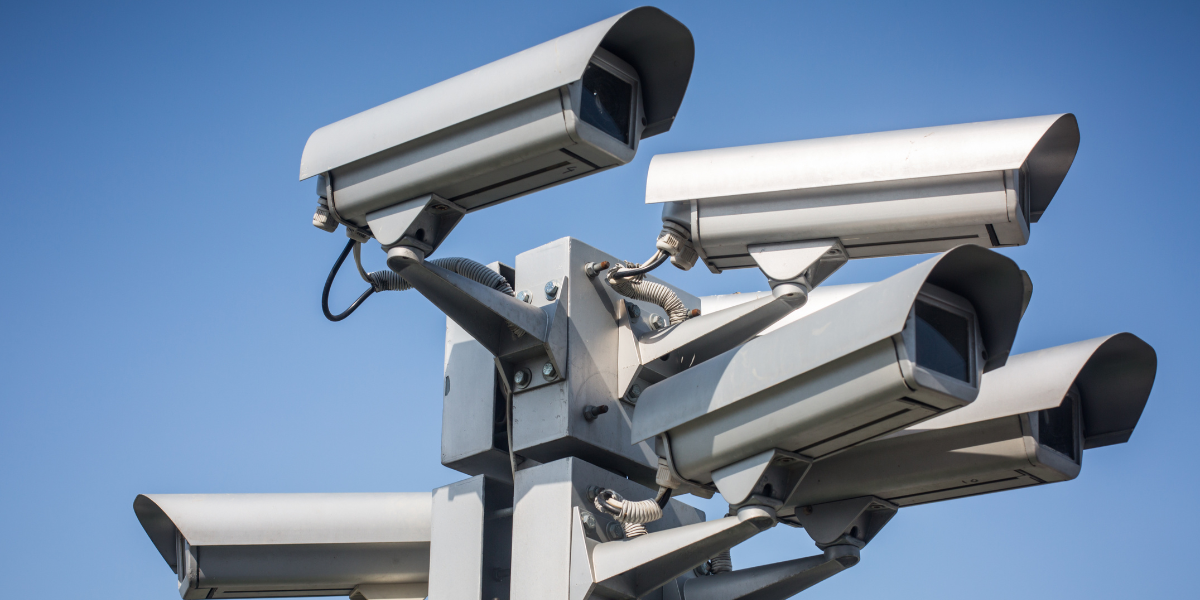
Implementing a robust and highly available IP video surveillance system is a growing priority for organizations seeking to protect critical assets and secure their operations against increasingly complex threats. This technical checklist provides a clear and structured guide to ensure the effective implementation of advanced IP video surveillance systems such as those offered by Axis Communications for smart cities and critical environments.
Why implement an IP video surveillance system?
IP video surveillance systems offer numerous advantages over traditional analog systems, such as:
- High image quality in various conditions.
- Integration with other technological solutions (IoT, data analysis).
- Greater flexibility in configuration and expansion.
- Predictive analytics and early response to weather incidents and public safety.
Implementation checklist:
1. Clear definition of objectives
Before starting the installation, clearly determine the objectives you want to achieve with your system:
- Perimeter security.
- Environmental monitoring.
- Prevention of extreme weather incidents.
- Access control.
2. Proper selection of IP cameras
- Cameras resistant to extreme weather conditions (IP66/IP67).
- High resolution and night vision with integrated IR.
- Advanced analysis functions such as license plate recognition (LPR) and facial analysis.
- Compatibility with environmental sensors (air quality, water level).
Recommended example: Axis Q1800-LE for license plate recognition.
3. Reliable network infrastructure
- Verification of the availability of sufficient bandwidth for high-definition video transmission.
- Use of redundant networks to ensure high availability.
- Implementation of manageable PoE switches for easy installation and maintenance.
4. Data storage and management
- Scalable and redundant storage solution (RAID).
- Implementation of local or server-based storage according to specific needs.
- Video Management Software (VMS) compatible with Axis cameras.
5. Integration with IoT technologies and analytics
- Integration with environmental sensors (water level, air quality, noise).
- Predictive analytics for early warning of floods and extreme weather events.
- Integration with automatic alerts platforms through messages and loudspeakers.
6. System cyber security
- Periodic firmware update.
- Secure configuration with protocols such as HTTPS and VPN.
- Multifactor authentication for remote access.
7. Strategic installation of cameras
- Placement at key points: main accesses, critical areas and areas prone to environmental incidents.
- Adequate height to avoid tampering and maximize visual coverage.
- Optimization of angles to capture license plates and faces clearly.
8. Remote monitoring and centralized visualization
- Centralized platform for real-time visualization and management of multiple locations.
- Secure remote access from authorized devices.
- Integration with urban monitoring systems and emergency control centers.
9. Regular preventive maintenance
- Planning of periodic reviews of the system (quarterly or semi-annual).
- Cleaning and verification of the correct operation of cameras and sensors.
- Periodic software updates and verification of operational redundancies.
Practical applications of the high availability IP system
- Flood prevention and mitigation: IoT sensors integrated with Axis cameras to monitor water levels and send automatic alerts.
- Emissions and air quality control: environmental sensor cameras enable proactive traffic management and CAZ zones.
- Acoustic management: advanced cameras and microphones help monitor and control excessive urban noise levels.
- Prevention of illegal dumping: visual monitoring combined with license plate recognition to identify and sanction infractions.
Key statistics
- According to recent ThoughtLab studies, implementing IP video surveillance with advanced analytics reduces incident response time by up to 50%.
- Smart cities that adopt integrated systems report up to 30% fewer critical environmental incidents.
Effective implementation of a high-availability IP video surveillance system is crucial for addressing contemporary challenges such as extreme weather events, public safety and urban sustainability. Axis Communications offers robust and technologically advanced solutions that ensure continuous, efficient and secure monitoring.
By following this technical checklist, you can ensure the correct implementation and operation of your IP video surveillance system, optimizing your technological infrastructure to successfully face the challenges of the present and the future.