


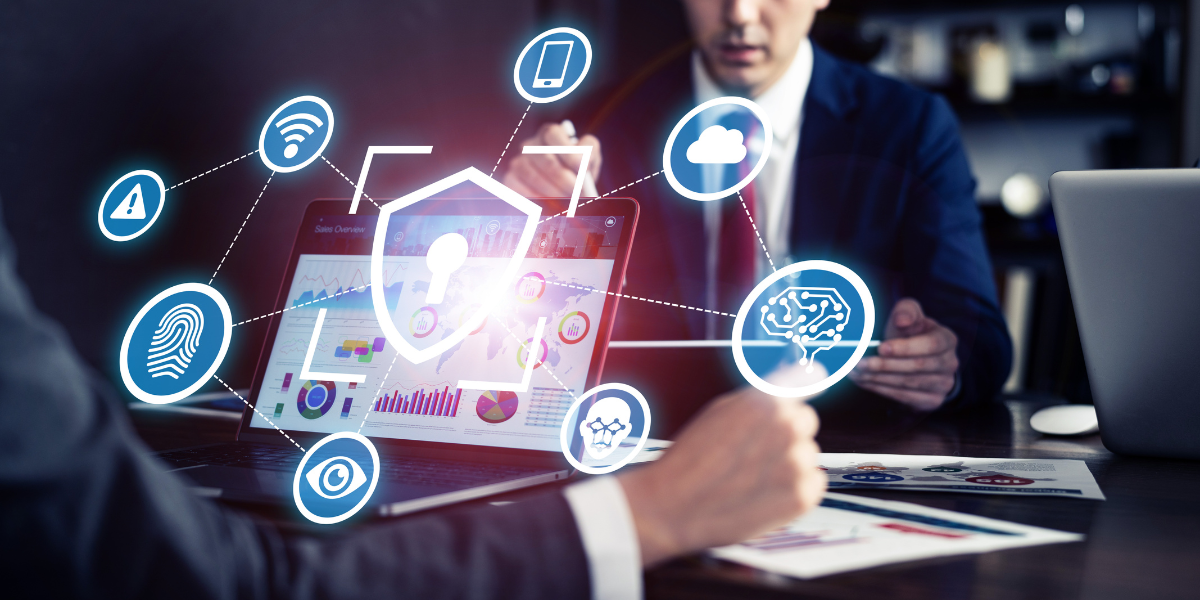
Migrating from traditional physical security systems to intelligent platforms is a strategic step to improve an organization's protection, operational efficiency and responsiveness. The transition involves evaluating multiple technical, operational and cybersecurity factors to ensure a successful implementation. This checklist will guide you through the process, helping you minimize risks and maximize benefits.
1. Initial needs and objectives assessment
Define what you want to achieve with the migration - are you looking for better image quality, integration with access control systems, advanced analytics or remote monitoring? Establishing clear objectives will allow you to select technologies and vendors that align with your priorities. Document the weaknesses of your current system and future requirements, considering scalability and long-term support.
2. Audit of existing infrastructure
Before investing, perform a complete audit of the physical and technological security infrastructure. Evaluate the network's ability to support high-resolution video transmission, the availability of compatible cabling (Ethernet, fiber optics) and the location of installation points. Identifies reusable components, such as cabling or supports, to optimize the budget.
3. Selection of intelligent platform and devices
Choose an open and scalable platform that allows cameras, sensors, access control systems and analytics to be integrated into a single interface. Opt for devices compatible with standards such as ONVIF to ensure interoperability. Prioritize cameras with advanced capabilities such as night vision, high resolution, efficient video compression and AI functions for intrusion detection, facial recognition or license plate reading (LPR).
4. Migration planning
Define whether the migration will be total or gradual. A phased approach can minimize the impact on operations, allowing the integration of new technologies without disrupting current security. Establish a detailed schedule that includes installation, configuration, testing and staff training.
5. Integration with other enterprise systems
Intelligent physical security platforms offer greater value when integrated with building management systems, access control, IoT platforms and analytics software. This integration allows you to automate responses, centralize information and generate unified reports for strategic decision making.
6. Cybersecurity and data protection
Network-connected physical security introduces cyber risks that must be managed from the outset. Implement encrypted protocols such as HTTPS and SRTP, multi-factor authentication and regular firmware updates. Limit administrative access, segment the security network from the rest of the corporate infrastructure and use monitoring tools to detect intrusion attempts.
7. Staff training
The success of the migration depends not only on the technology, but also on the people who operate it. It provides technical training to security and IT personnel so that they can handle the new system, take advantage of analytical functions and react appropriately to incidents detected by the platform.
8. Video storage and management strategy
Define how and where you will store data: locally via NVR/servers, in the cloud or in a hybrid model. Consider legal retention of recordings, internal policies and the volume of video generated by high-resolution cameras. Implement efficient compression (H.265/H.265+) and redundant storage (RAID) to ensure availability and resiliency.
9. Testing and validation
Before putting the system into production, perform extensive testing including:
- Image quality in different scenarios.
- Response of automatic alerts.
- Integration with external systems.
- Speed and reliability of remote access. These validations ensure that the platform meets the defined objectives and is ready to support daily operations.
10. Maintenance and continuous evolution
An intelligent system requires regular preventive maintenance, software updates and constant evaluation of new functionalities. Schedule periodic reviews and establish a support channel with the vendor to resolve issues quickly. Periodically evaluate the addition of new cameras, sensors or analytical modules to optimize performance and security.
Benefits of migrating to intelligent platforms
Migrating to a modern physical security solution offers measurable benefits: reduced incident response time, optimization of human resources, predictive analytics capabilities and improved overall security experience. According to MarketsandMarkets data, integrating AI into video surveillance can reduce false alarms by up to 50% and improve operator efficiency by 40%.
Migrating from traditional systems to intelligent physical security platforms is a strategic investment that strengthens the operational resilience of enterprises. With careful planning, the right technology choices and a comprehensive approach to cybersecurity, organizations can better protect their people, assets and critical processes while ensuring a future-proof infrastructure.