


Access control is no longer a system based solely on physical keys or proximity cards. In the digital age, organizations are looking for more secure, agile and easier-to-manage solutions that also integrate with their technology ecosystems. Biometrics, badge recognition and mobile credentials are the new ABCs of modern access control, an approach that redefines physical security and the user experience.
Biometrics: identity as a credential
Biometrics is based on unique and non-transferable characteristics of each individual, such as fingerprints, facial features or iris patterns. This technology has gained ground in companies, airports, government institutions and high-security sectors due to its ability to verify identities with high accuracy.
Its main advantages include:
- Elimination of passwords and physical credentials susceptible to loss or theft.
- Speed in the verification process.
- Higher reliability thanks to recognition algorithms with higher hit rates than 98%.
Modern biometric solutions incorporate artificial intelligence to improve detection even in low light conditions, use of masks or changes in the user's appearance.
License plate recognition: intelligent vehicle automation
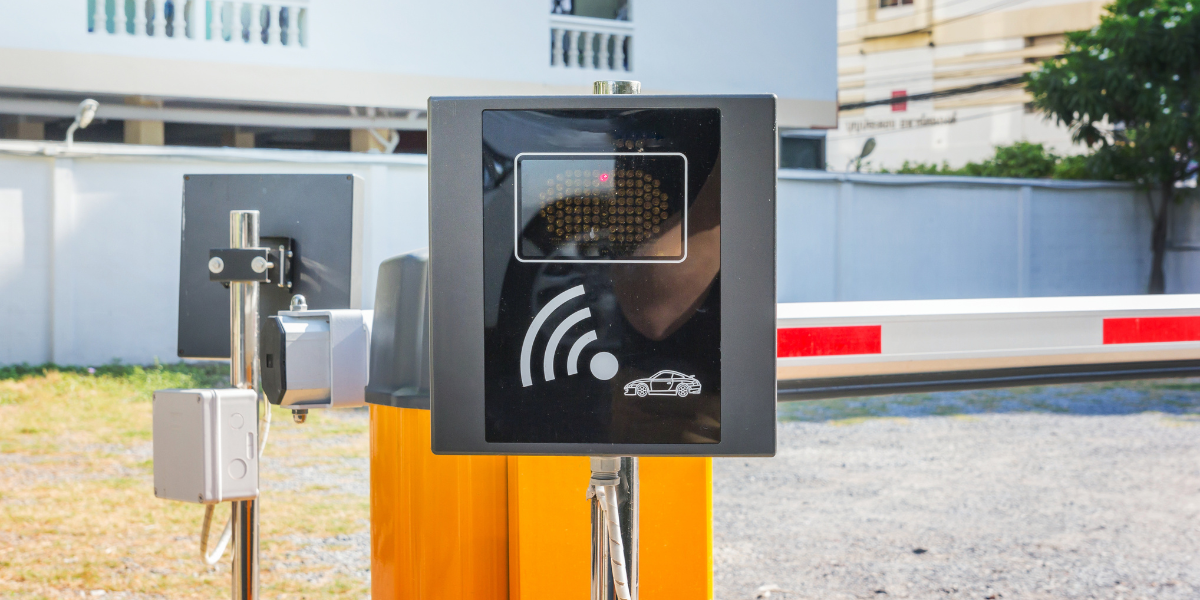
Automatic license plate recognition (LPR) is essential in environments where vehicle control is key, such as corporate parking lots, logistics centers, university campuses and private residential areas.
Its benefits include:
- Automatic registration of incoming and outgoing goods.
- Integration with barriers and automated collection systems.
- Improved perimeter security by detecting unauthorized vehicles or vehicles on watch lists.
In the corporate context, LPR allows employees to access without the need for additional credentials, reducing bottlenecks and optimizing the login experience.
Mobile credentials: security in your pocket
Mobile credentials transform the smartphone into a digital key. They use technologies such as NFC, Bluetooth Low Energy (BLE) or QR codes to authenticate users and allow access to facilities.
Its advantages include:
- Elimination of physical cards and their management.
- Remote credential issuance and revocation capability.
- Integration with corporate applications for a unified experience.
In addition, mobile credentials offer real-time traceability, allowing to know who, when and from where a given area is accessed.
Synergy of technologies: an intelligent access ecosystem
The real strength of the new ABC of modern access control lies in the integration of these technologies into a single system. A combined solution of biometrics, LPR and mobile credentials enables:
- Multifactor authentication for critical areas.
- Complete automation of pedestrian and vehicular access.
- Centralized reporting and analytics of usage patterns.
This integration is especially valuable in multi-site corporate environments, where centralized management of credentials and permissions optimizes time and reduces errors.
Impact on safety and operational efficiency
The adoption of these technologies improves both safety and efficiency:
- Reduces the risk of intrusions thanks to advanced authentication methods.
- Reduces operating costs by minimizing the need for access control personnel.
- Improve the user experience with fast, touch-free processes.
According to Omdia data, access control solutions with biometrics and mobile integration will grow at a compound annual rate of 11% through 2028, driven by demand for greater security and convenience.
Implementation considerations
To adopt the new ABC of modern access control it is important to consider:
- Compatibility with existing infrastructure.
- Compliance with data protection regulations (such as GDPR or local laws).
- Cybersecurity in the communication and storage of biometric data.
- Training of personnel for the management and maintenance of the system.
The initial investment may be higher than in traditional systems, but the return is reflected in risk reduction, process optimization and improved user and visitor experience.
Use cases in different sectors
- Corporate: Integration of facial biometrics in main accesses, LPR in parking lots and mobile credentials for internal areas.
- Education: Controlled access to buildings and residence halls with mobile credentials and biometrics.
- Logistics: LPR for vehicle control and biometrics for loading and unloading zones.
- Health: Access control to restricted areas with multiple authentication factors.
Modern access control will continue to evolve with the incorporation of new technologies such as frictionless authentication, behavioral analytics and integration with smart city systems. The combined use of biometrics, badge recognition and mobile credentials will be the norm for organizations seeking robust security and seamless access experiences.
Adopting this new ABC is not only a technological improvement, but a strategic investment to guarantee the protection of people, assets and information in an increasingly interconnected world.