


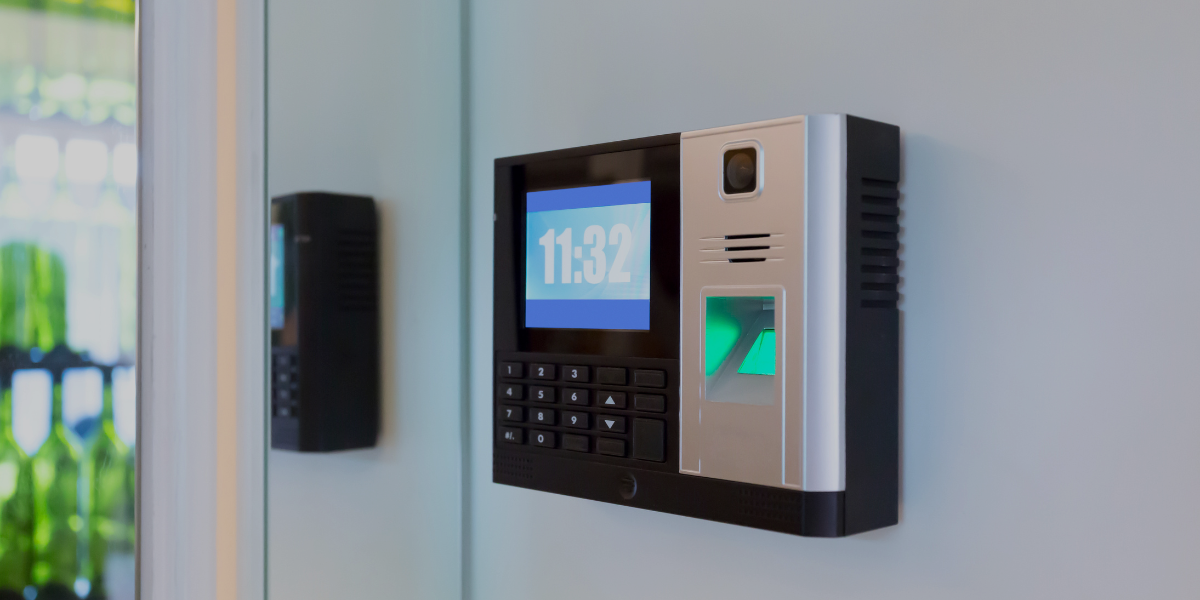
Access management in multi-site companies represents one of the greatest challenges of modern physical security. Organizations with distributed offices, industrial plants, warehouses or logistics centers need to control who enters, when and from where, without losing visibility and operational efficiency. In this context, the Access Management unified emerges as a strategic solution that integrates technology, connectivity and cybersecurity in a single ecosystem.
Challenges of access management in multi-site environments
As companies expand their infrastructure, traditional access control systems become inefficient. Some of the main challenges include:
- Lack of synchronization between local systems.
- Difficulty to manage users and credentials centrally.
- Poor real-time visibility of the flow of people.
- High maintenance and support costs at each location.
These problems not only compromise security, but also the productivity and experience of employees and visitors.
Key elements of a unified Access Management ecosystem
1. Centralized platform in the cloud
A modern access management system must allow remote administration from a central console, offering:
- Full control of credentials in multiple locations.
- Instant creation, modification or revocation of permissions.
- Real-time global activity and audit reports.
- Scalability to integrate new locations without complex reconfiguration.
2. Integration with video surveillance and analytics systems
The convergence of access control and video surveillance enhances security and traceability. Axis Communications' solutions make it possible to link access events with camera recordings, providing immediate visual evidence of any anomaly.
3. Multi-factor authentication and mobile credentials
In multi-site environments, the combination of biometrics, mobile credentials (NFC/BLE) and PINs strengthens security and simplifies management. Digital credentials can be issued or revoked remotely, reducing reliance on physical cards and improving operational agility.
4. Integrated cybersecurity
The Modern Access Management is not limited to physical control. It must incorporate digital protection measures such as:
- Encryption of data in transit and at rest (TLS, HTTPS, SRTP).
- Secure authentication based on OAuth 2.0 or digital certificates.
- Network segmentation between IoT devices and corporate systems.
- Automatic firmware updates to reduce vulnerabilities.
5. Interoperability with other enterprise systems
Support for open APIs and standards such as ONVIF ensures seamless integration with existing HR platforms, visitor management or security systems. This makes it possible to automate processes such as creating access for new employees or deactivating credentials at the end of contracts.
Operational benefits of a unified multisite system
- Global visibility: centralized monitoring of access and events at all locations.
- Administrative efficiency: reduction of repetitive tasks and less dependence on local personnel.
- Regulatory compliance: simplified audits thanks to automatic activity logs.
- Cost optimization: Reduced licensing, maintenance and support costs by consolidating the infrastructure.
Technical requirements for successful implementation
To achieve a unified ecosystem, companies should consider the following technical aspects:
- Reliable network infrastructureSecure and redundant connectivity between sites via VPNs or SD-WAN networks.
- Scalable servers and storageCapacity to handle large volumes of access and video data.
- Compatibility with smart devicesIP controllers, electronic locks and IoT sensors.
- Role Based Access Policy (RBAC)granular management of permissions according to departments, hierarchies and locations.
- Backup and disaster recoveryGeographic redundancy and continuous synchronization to ensure operational continuity.
Use cases by sector
- Corporate: employee and visitor access control with centralized authentication.
- Retail: access management in distributed stores, with consolidated reports and remote control.
- Logistics: unification of vehicular and pedestrian control in distribution centers.
- Education: multi-campus access management with automatic registration of students and staff.
Statistics demonstrating its impact
- According to Omdia, organizations that adopt centralized Access Management reduce administration costs by 35% compared to standalone systems.
- The implementation of mobile credentials reduces user registration and deregistration times by 45%.
- Companies with unified monitoring report a 30% improvement in incident response due to global visibility.
Conclusion
A unified, multi-site Access Management ecosystem not only strengthens security, but also optimizes management and operational efficiency. With cloud-based solutions, multi-factor authentication and integrated cybersecurity, organizations can centrally manage the physical security of all their locations. Axis Communications is leading this evolution with open, scalable and secure platforms that make access management a strategic component of business continuity and growth.